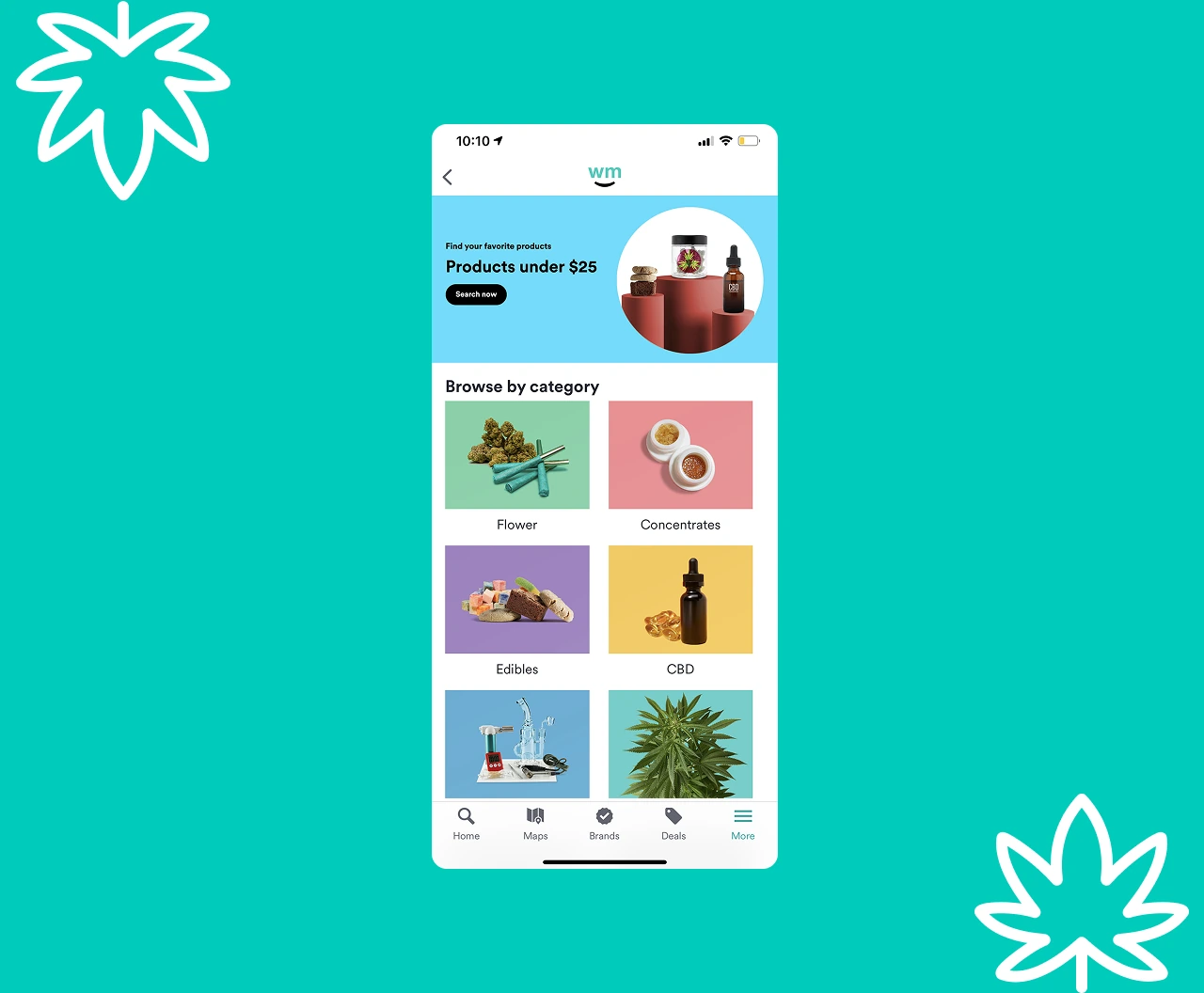
A bookstore with no sections.
During onboarding I mapped the end-to-end journey and flagged that there was no product-led way to discover anything. The closest thing was a Brands page that worked as a marketing surface. For a marketplace this big, asking people to search before they could browse was backwards.
Search without context.
With PMs and data, we found many people dropped off right after searching. They searched broadly, didn't find what they wanted, and left.
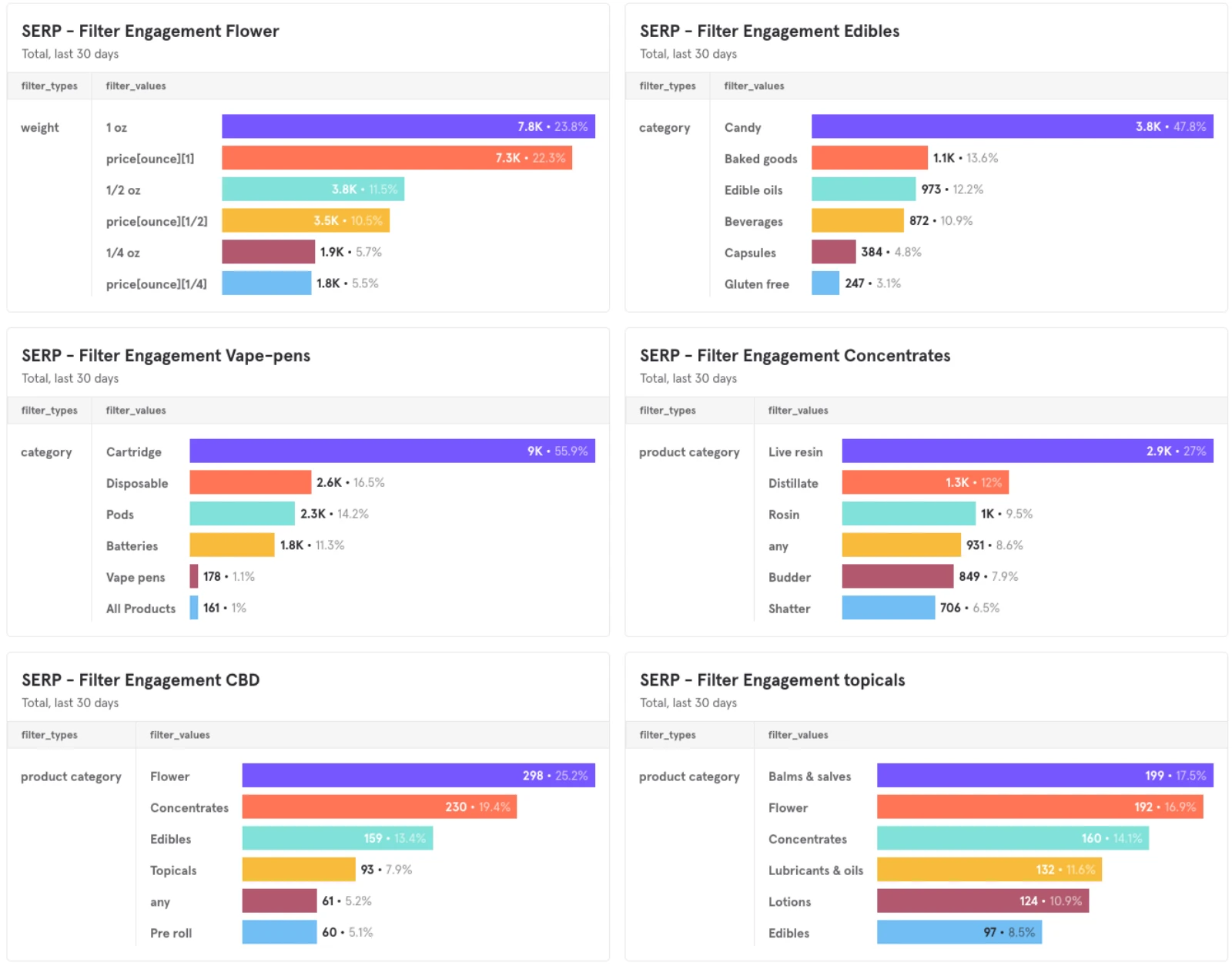
"We were asking users to search before we helped them discover."
People who reached search results with clearer intent were much more likely to convert. That reframed the problem from a UI fix into a business opportunity, and discovery went onto the roadmap as a core investment.
How people actually think about products.
- 01Tree testing to validate category hierarchy and labels.
- 02Usability testing, moderated and unmoderated.
- 03Data analysis of top queries, failed searches and category confusion.
- 04Alignment with PMs, data and brand on taxonomy and visual language.
Agreed before design.
- 01Search engagement and retention on results.
- 02Fewer exits right after starting a search.
- 03Progression from discovery to results to product.
- 04Conversion intent: add-to-cart and retailer interactions.
Browse before you search.
Early explorations of the category hierarchy and the discovery page, iterating on how people might browse before they search.
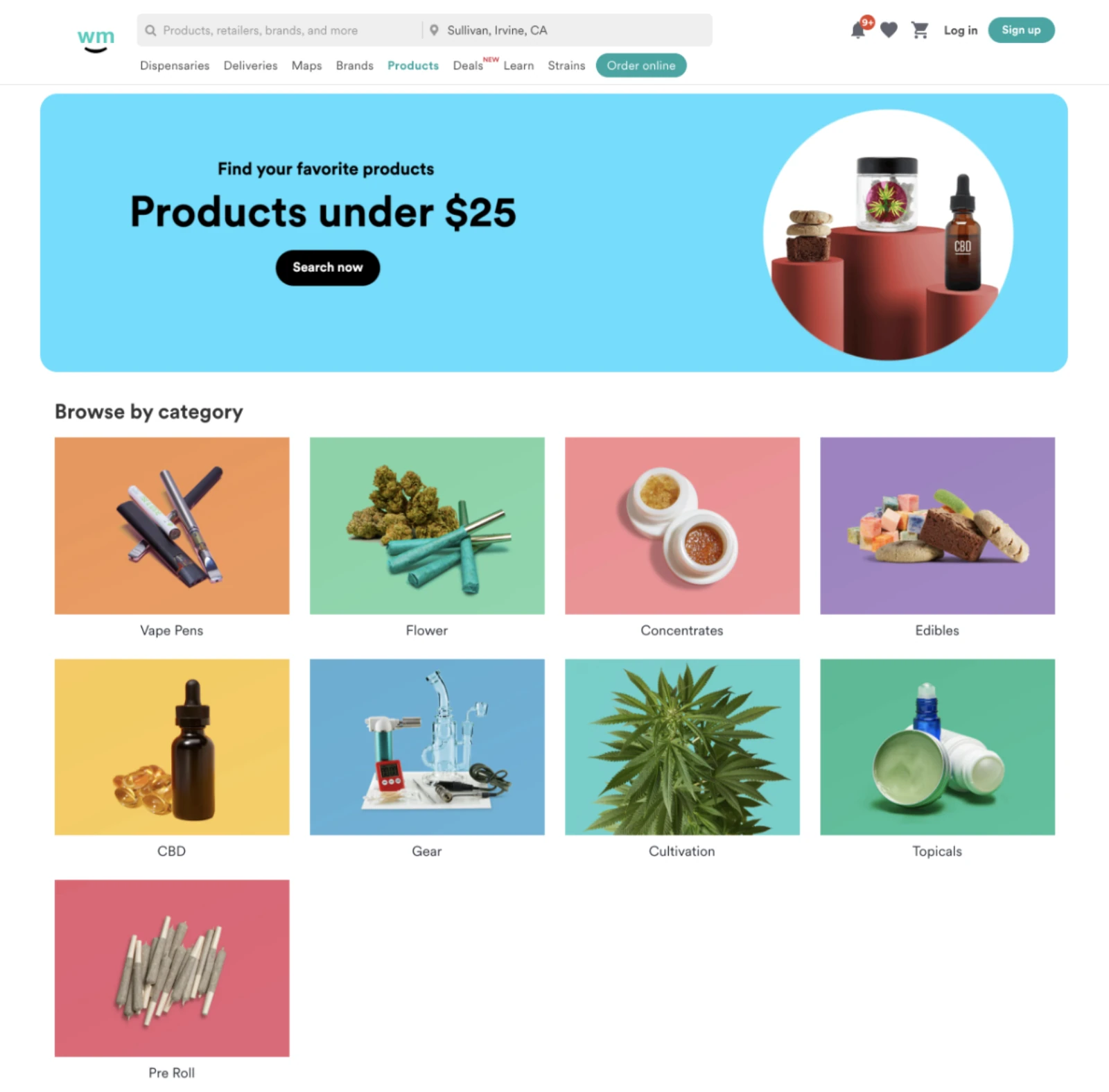
A new front door, reachable from everywhere.
A dedicated discovery experience replaced the Brands page, with clear categories that send people into search with real intent.
The best discovery helps people understand what they want.
Spotting a structural gap, backing it with data and testing, and working closely with product, data and brand turned a marketing page into a growth lever. It became the foundation for later work on checkout, order tracking and repeat purchases.